
In 2026, the Mega-Influencer is starting to look like an expensive billboard: everyone sees it, but nobody really believes it. While the big names still have their place for "Brand Awareness," the real sales are being driven by Micro-Creators. These are accounts with 5,000 to 50,000 followers who have a Lazer-Focus on a specific topic. If you are still chasing the 1M+ follower counts, you are likely missing out on the highest conversion rates in the history of digital marketing.
The Trust Paradox of 2026
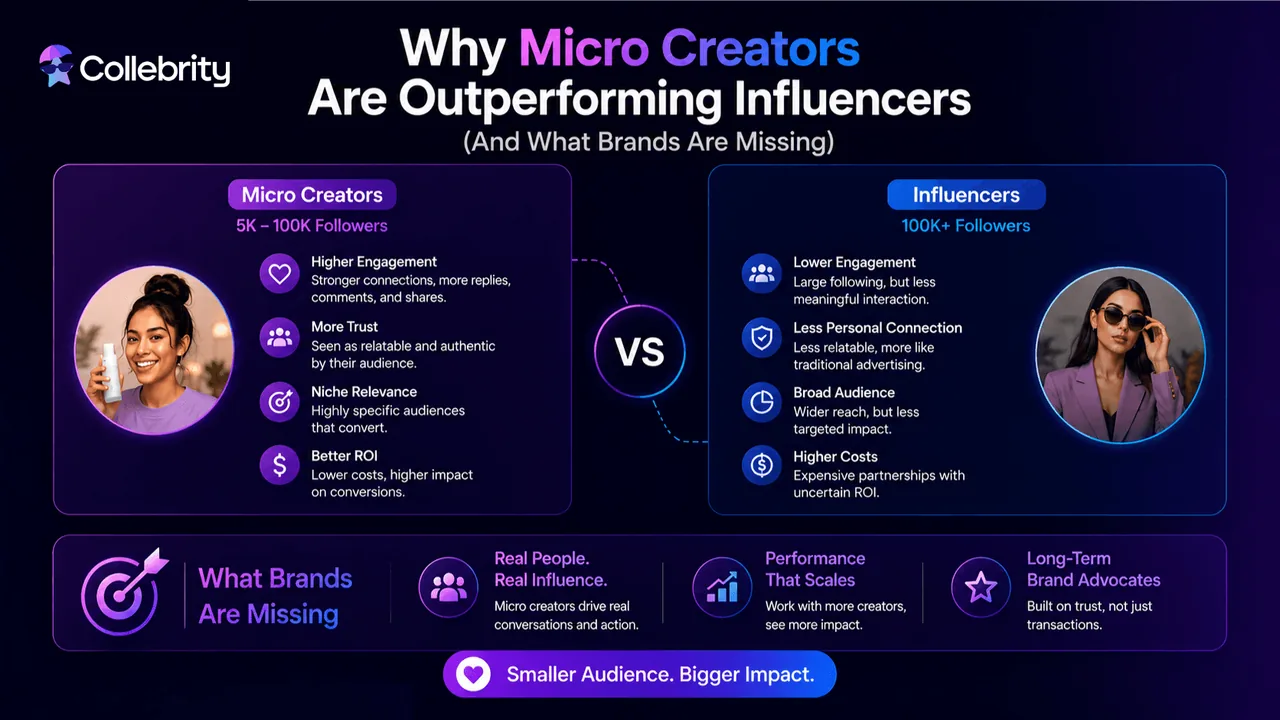
There is a fundamental truth in 2026: As audiences grow larger, maintaining close community trust often becomes more difficult. When a creator reaches a certain level of fame, they stop being "one of us" and start being "a celebrity." Their audience knows that their lifestyle is funded by brand deals, so every recommendation is viewed with a grain of salt. Micro-creators, however, still exist in the Friend Zone. Their followers view them as experts or enthusiasts rather than paid spokespeople.
When a Micro-Creator recommends a product, it feels like a suggestion from a knowledgeable friend. This type of recommendation often feels more relatable and authentic to audiences. Brands are finding that a campaign with 10 Micro-Creators can sometimes deliver stronger engagement across multiple niche audiences. Why? Because you are getting 10 different creative angles, 10 different communities, and 10 times the trust. You aren't just buying "Reach"; you are buying "Reputation."
Deep Niche Penetration
What many brands overlook is the power of niche-focused micro-creators. If you are selling a highly specific product like architectural software, partnering with a broad lifestyle influencer with 1M followers may not deliver the best results. Instead, brands often see better engagement from creators who consistently talk about topics like modern interior design, architecture, or home planning. Their audiences are usually far more aligned with the brand’s actual target customers.
On Collebrity, brands can discover creators through niche categories, creator profiles, and audience-focused filters. Micro-creators within a focused niche often build strong trust and authority within their communities. For brands, this creates an opportunity to reach highly relevant audiences through creators whose followers genuinely care about the topic being discussed.
You don’t always need the largest audience to create impact — you need the right audience. In many creator campaigns today, audience relevance and engagement matter far more than sheer follower count.
The Production Value vs. Relatability Balance
Another thing brands miss is that Micro-Creator content actually performs better in paid ads. In 2026, consumers are increasingly familiar with traditional ad formats. They can spot a high-budget commercial in half a second and they swipe past it. But Micro-Creator content looks like Normal Content. It’s relatable, it’s authentic, and it’s shot on a phone. When you run this as an ad, it "Sneaks" past the consumer’s internal ad-blocker. It feels more natural within social feeds and less disruptive to viewers.
Micro-creators are also more willing to experiment. Because they are still growing, they are often more creative and more open to experimenting creatively than established influencers. They will go the extra mile to make the content pop because they want a 5-star rating on their profile. This energy is infectious and translates into better engagement. In 2026, the brands that are winning are the ones that have stopped "Influencer Marketing" and started "Community Marketing."
Embracing the Power of the Small
The true strength of the micro-creator lies in their ability to engage in real conversations with their followers. They reply to comments, answer specific questions, and build a level of intimacy that a superstar simply cannot maintain. This makes them the ultimate conversion engines. Brands that overlook these smaller creators are potentially missing highly engaged niche audiences.
In 2026, influence is no longer a top-down broadcast; it is a bottom-up conversation. By investing in micro-creators, you are tapping into the heartbeat of the internet, where stronger audience relationships and trust are built over time.